Independent, specification-led comparisons
Best Vacuum Cleaner: How to Pick the Right One for Your Home
The best vacuum cleaner depends mostly on your floors: uprights suit carpet, canisters suit hard floors and stairs, sticks suit quick cleanups, and robots handle routine upkeep. Start with the type, then compare models by verified specs.
Guides & advice
See all →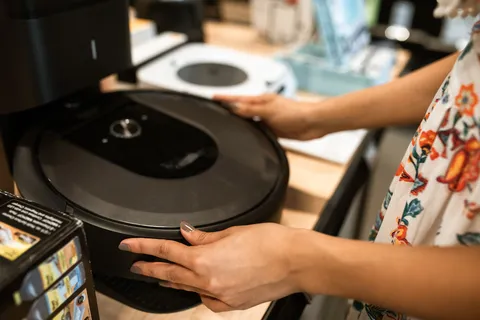
Most people searching for the best vacuum cleaner are really asking which kind of vacuum fits their floors. Get that decision right and the model choice gets much easier. Our catalog currently covers 12 models from 7 brands, with 4 buying guides, so you can narrow by type first and compare specifications second.
What is the best vacuum cleaner for your home?
There is no single winner. The right machine depends on what you clean most: thick carpet, hardwood and tile, stairs, pet hair, or a small apartment. This site does not run hands-on tests. We compare manufacturer and retailer specifications and point out where those numbers do not tell the whole story, so treat our pages as a way to shortlist, not as lab results.
A reasonable rule of thumb, in line with Consumer Reports' published advice: pick the type for your main floor surface, then compare models within that type.
Vacuum types compared
| Type | Suits best | Main drawbacks |
|---|---|---|
| Upright | Homes with a lot of carpet and rugs; the weight helps the brush work into the pile | The most effective ones are heavy, which makes stairs harder |
| Canister | Hardwood, vinyl and tile, edges along walls, multilevel homes | Generally weaker on carpet than an upright; not light, at roughly 15 to 26 lb (about 7 to 12 kg) |
| Stick | Quick, targeted cleanups and small spaces with mostly hard floors; most weigh under 10 lb (about 4.5 kg) | Less cleaning power than uprights and canisters, especially on carpet; cordless versions are limited by battery |
| Robot | Light, routine upkeep between deeper cleanings | Mostly removes surface dirt, does not reach deep into carpet fibers, and needs small items cleared first |
The figures above come from Consumer Reports' guide to choosing a vacuum for the job. Individual models vary, so check the weight on each product page.
If carpet dominates, start with an upright style. If you want freedom from the cord, browse a no cord vacuum cleaner and read the battery specs closely. Brand loyalty is a legitimate starting point too, and our Dyson cordless vacuums page is the place to look if that is your shortlist.
Matching a vacuum to your home
Pet owners. Brush design, bin size and filtration are the specs to read first. Our page on the top rated vacuum for pet hair groups models for that use.
Apartments and small homes. Storage space and weight usually decide it. A stick or a compact canister often fits better than a full-size upright, and a robot can handle upkeep if you also own something stronger.
Stairs and multilevel homes. A heavy upright is tiring to carry. A canister's two-part design with a long hose, or a light stick, is easier to manage.
Stains and deep cleaning. If you are dealing with wet stains or ground-in spills, a carpet steam cleaner is a different tool and worth reading about separately.
Cars. Vehicle interiors are a separate job; see our guide to the good vacuum for car.
How we compare models
We do not copy anyone's rankings. Each model page lists specifications collected from manufacturer and retailer sources, and our comparison pages put two models side by side. Specs show things like weight, bin capacity, cord or battery details and filter type. They cannot show how well a vacuum actually picks up dirt, so a high-spec model is not automatically a top rated vacuum cleaner. Where we are unsure of a figure, we leave it out rather than guess.
Specs worth checking before you buy
- Weight. Especially if you will carry the vacuum upstairs.
- Power source. Corded or battery; cordless models list a run time, so compare it with the size of your home.
- Filtration. If you want a HEPA filter, look for the manufacturer stating HEPA on the spec page.
- Bin or bag capacity. Smaller bins mean emptying more often.
- Floor-type features. Look for a way to adjust or switch off the brush for hard floors.
- Maintenance. Check whether filters are washable and whether replacement parts are available.
Once you know your type, open a category page, shortlist two or three models, and use a head-to-head comparison to settle the final choice.
Frequently asked questions
What does HEPA mean on a vacuum cleaner?
HEPA stands for high efficiency particulate air. The U.S. EPA describes a HEPA filter as one that can, in theory, capture at least 99.97% of airborne particles at 0.3 microns, which it calls the most penetrating particle size. Particles larger or smaller than that are trapped with even higher efficiency. On a vacuum, check how the manufacturer describes the filtration on each model's spec page and what it states about the filter. Our catalog of 12 models lists the filter details manufacturers provide, so you can filter for models that state HEPA.
Can a robot vacuum be my only vacuum?
Usually not if you have carpet. Consumer Reports describes robot vacuums as suited to light routine cleaning between deeper sessions with a full-size vacuum, because they mostly remove surface dirt and cannot reach carpet fibers. A robot can work as a main vacuum in a small home with mostly hard floors, provided you clear small items from the floor first. Some models also struggle with obstacles, and camera-based models raise data-security concerns. Our catalog of 12 models includes robot vacuums you can compare by specs.